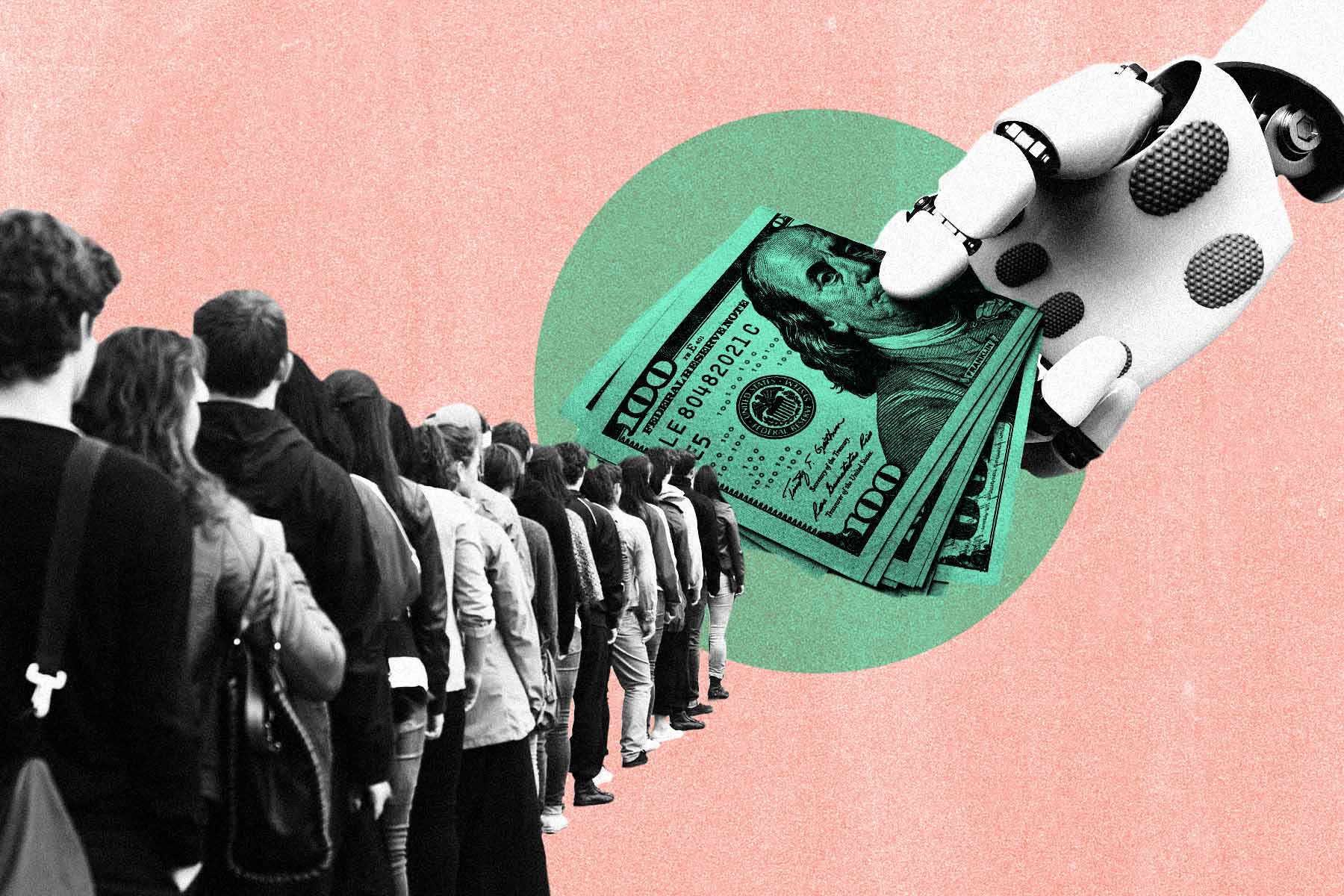
Artificial Intelligence (AI) is rapidly transforming industries across the globe, reshaping traditional workflows and redefining the nature of work. From manufacturing to finance, healthcare to education, AI’s integration is leading to increased efficiency and productivity. However, this technological advancement also brings concerns about job displacement, as machines and algorithms begin to perform tasks once handled exclusively by humans.
Recent studies highlight the potential scale of this shift. Goldman Sachs research indicates that AI could contribute to a 7% increase in global gross domestic product (GDP) and boost productivity growth by 1.5 percentage points over a decade. However, this growth comes with the risk of 300 million jobs being automated worldwide. Similarly, the International Monetary Fund (IMF) suggests that AI will affect almost 40% of jobs globally, with some roles being replaced and others complemented by AI technologies.
The impact of AI varies across sectors. Administrative and secretarial positions are among the most susceptible to automation, followed by sales, customer service, and certain roles in banking and finance. Conversely, jobs requiring complex manual tasks, such as those in construction, are less exposed to AI-driven changes. This disparity underscores the need for targeted strategies to support workers in vulnerable positions.
In response to potential widespread job displacement, the concept of Universal Basic Income (UBI) has gained traction. UBI involves providing all citizens with a regular, unconditional sum of money, aiming to ensure a basic standard of living regardless of employment status. Proponents argue that UBI could serve as a safety net, empowering individuals to pursue education, entrepreneurship, or other meaningful activities without the immediate pressure of securing employment.
However, implementing UBI presents significant challenges. Critics point to the substantial financial burden it could place on governments and taxpayers. Additionally, concerns exist about potential reductions in labor force participation, as guaranteed income might diminish the incentive to work. A recent study involving 3,000 lower-income Americans found that recipients of unconditional cash payments reduced their work effort, leading to decreased overall income and savings.
Given these complexities, it is imperative for governments to proactively address the socioeconomic implications of AI-driven automation. This includes exploring policies like UBI, investing in retraining programs to equip workers with skills relevant to the evolving job market, and strengthening social safety nets to support those affected by technological transitions. By adopting a multifaceted approach, societies can harness the benefits of AI while mitigating its disruptive effects on employment.
AI’s Impact on Employment and the Case for Universal Basic Income
AI may displace 3m jobs but long-term losses ‘relatively modest’, says Tony Blair’s thinktank

businessinsider.comVinod Khosla says universal basic income may be needed as AI takes over jobs and drives wealth disparity147 days agonypost.comFree money, less income: study finds no-strings cash leaves the poor worse off208 days ago
 THINK WITH ALEC
Leave a comment