
In today’s fast-moving tech landscape, platform and infrastructure teams face an ongoing challenge—balancing innovation with limited resources. Time, budget, personnel, and process constraints often prevent teams from fully implementing best practices, despite knowing what would drive better results.
Even organizations with seemingly endless budgets struggle with bottlenecks, skills shortages, and inefficiencies in platform and infrastructure management. So, how can tech leaders and engineering managers navigate these constraints and still deliver a high-performing, scalable, and reliable infrastructure?
Here are five key strategies to help teams make the most of their resources while optimizing software delivery.
1. Prioritize Investments for Maximum Impact
Beyond daily operational tasks, infrastructure and platform teams play a vital role in eliminating roadblocks and enabling product teams to deliver applications with minimal friction. But with limited resources, the challenge is knowing where to invest time and budget.
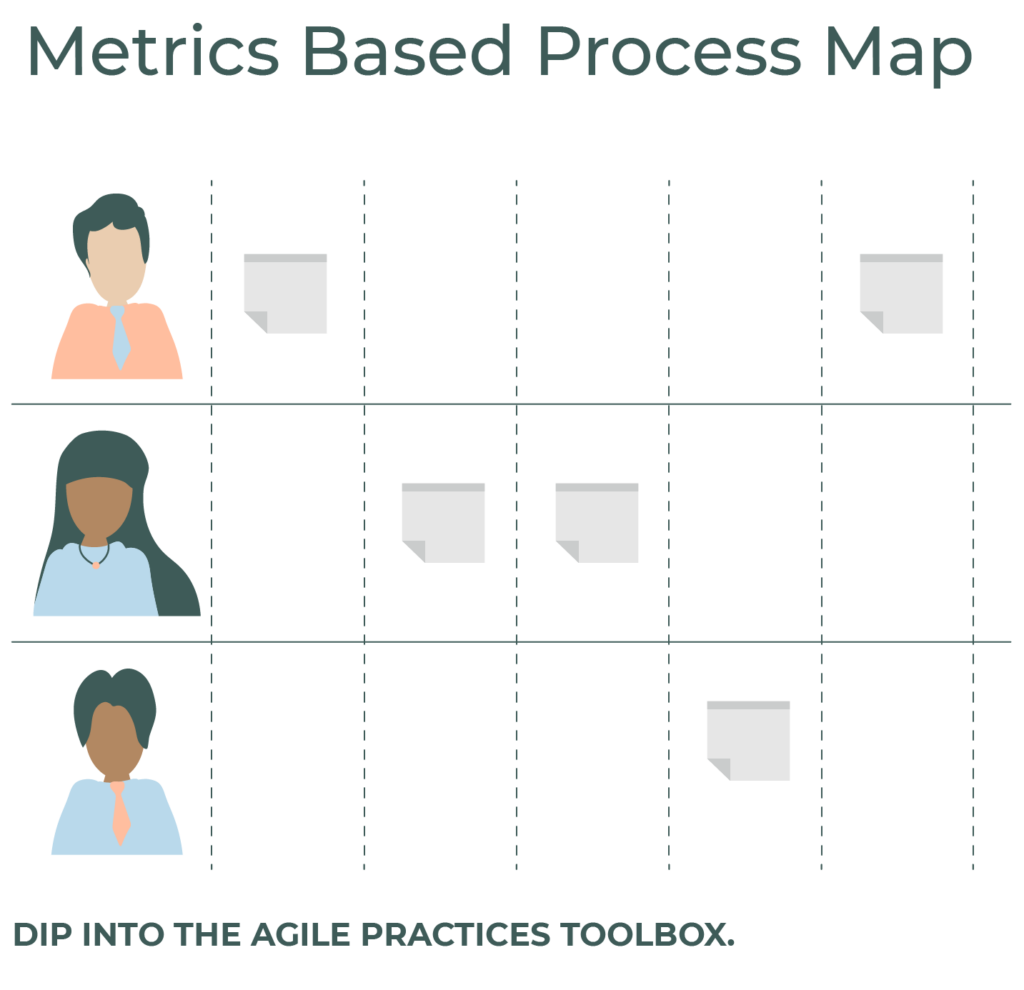
One high-impact strategy is using Metrics-Based Process Mapping to identify bottlenecks in the software delivery pipeline. By analyzing handoff points between teams and platforms, organizations can uncover areas where automation could drastically reduce wait times and manual intervention.
💡 Pro Tip: Collaborate with DevOps teams and measure success using DORA (DevOps Research and Assessment) metrics, such as:
- Lead time for changes
- Deployment frequency
- Time to restore service
- Change failure rate
By understanding these metrics, teams can make data-driven decisions on where automation and process improvements will have the most impact.
2. Define Clear Boundaries Between Platforms & DevOps
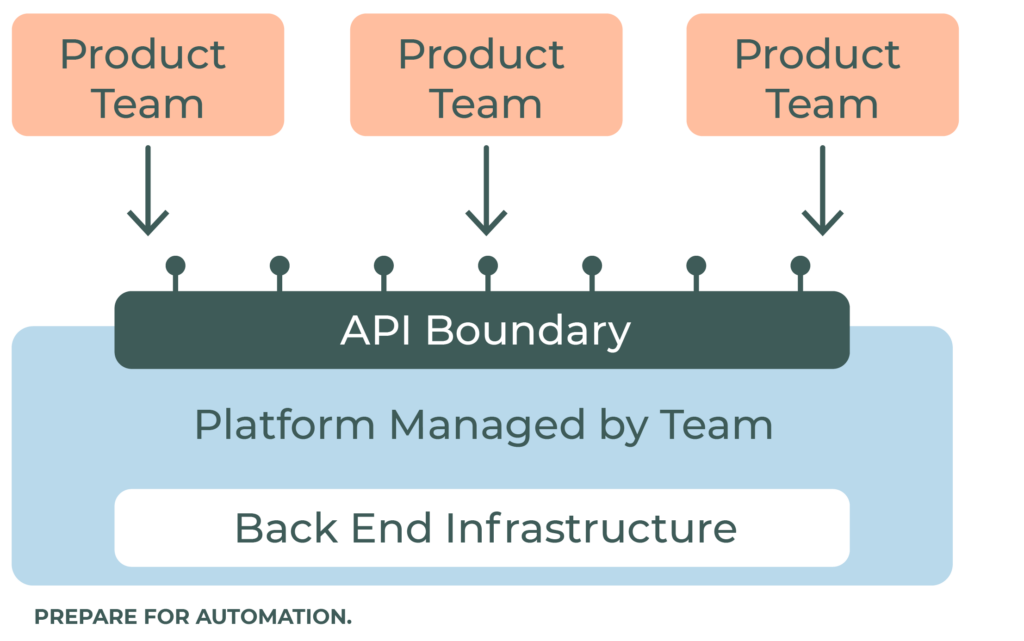
Infrastructure and DevOps teams often struggle with manual interventions that slow down delivery—whether through service tickets, provisioning requests, or backlog items requiring human input. These touchpoints become costly inefficiencies that delay production.
A better approach is to standardize and automate interfaces using tools like Terraform or Ansible, allowing product teams to integrate infrastructure into their own workflows. This approach empowers developers while freeing up infrastructure teams from repetitive manual work.
⚠️ Beware of Automation Overload: While automation reduces toil, poorly managed automation scripts and APIs can create a technical debt nightmare. Striking a balance between efficiency and maintainability is critical.
3. Reduce Custom Engineering – Standardization Wins
While custom-built solutions may seem like the best way to optimize infrastructure, they can quickly become a maintenance burden. Many organizations learned this the hard way with Kubernetes—initially investing heavily in custom platforms, only to later realize that managed services like Azure Kubernetes Service (AKS) could achieve the same results with far less overhead.
This principle applies across all infrastructure decisions:
🔹 Invest in tools that reduce operational complexity
🔹 Choose scalable, vendor-supported solutions rather than building in-house
🔹 Avoid creating engineering bottlenecks that require specialized skill sets to maintain
Instead of building infrastructure, focus on delivering business outcomes—reliability, security, and speed.
4. Build an Engineering Culture to Retain Talent
One of the biggest challenges in platform management is retaining skilled engineers. With talent shortages at an all-time high, many organizations have shifted their hiring strategy—bringing in junior talent and training them into senior roles.
While this can be effective, it’s crucial to create an engineering culture that fosters learning, mentorship, and innovation.
💡 Key Tactics for Retaining Talent:
✔ Encourage continuous learning and experimentation
✔ Offer opportunities to work on high-value, engaging projects
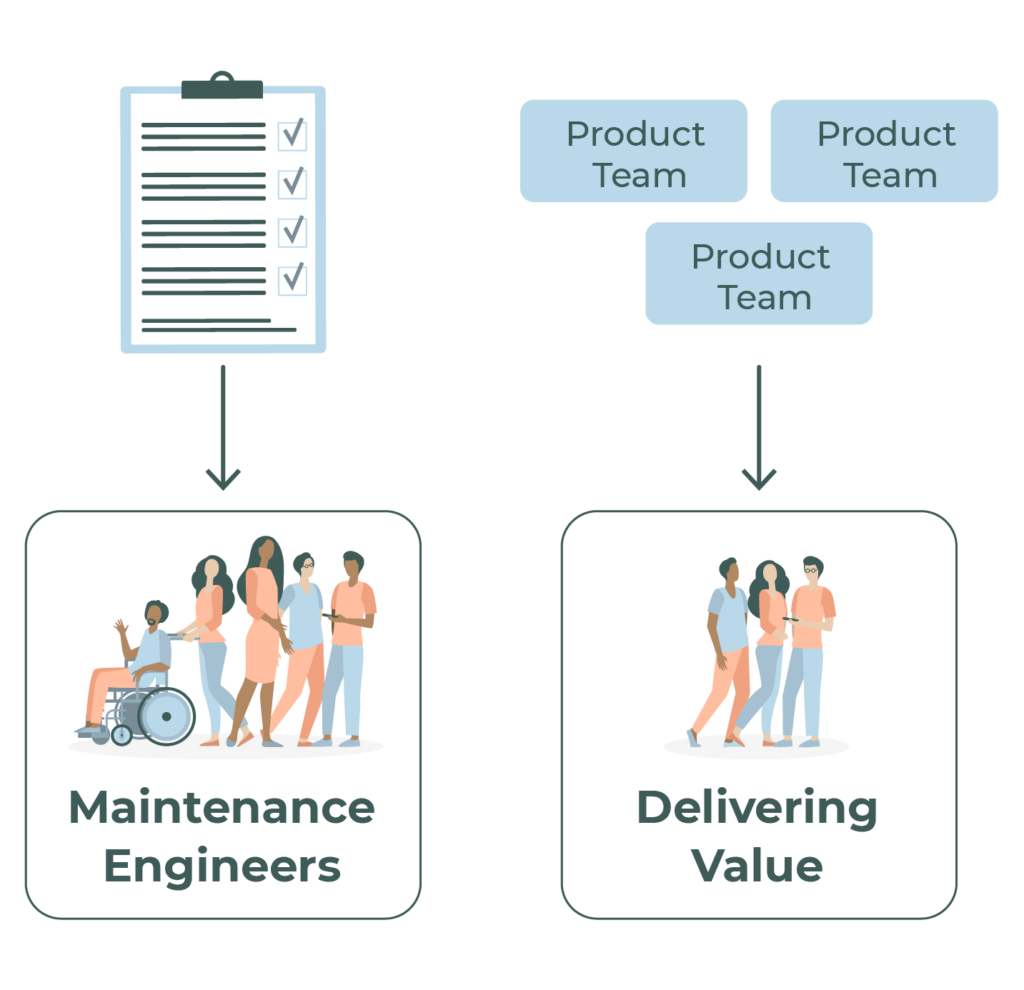
✔ Reduce “commodity work”—engineers don’t want to maintain basic infrastructure when they could be solving real business problems
If your best engineers spend their time on low-value maintenance tasks, they won’t stick around. Invest in tools that automate the repetitive work so they can focus on innovation.

5. Shift Toward Self-Service & Everything-as-a-Service
The most efficient infrastructure teams remove friction by enabling self-service for developers. Instead of acting as a bottleneck, infrastructure should be a scalable, secure, and repeatable service.
🔹 Make infrastructure accessible as self-service APIs
🔹 Embed security into automation workflows
🔹 Use industry tools like Ansible Tower for auditable automation
💡 Final Thought: Moving to a fully self-service model requires careful planning and security considerations. A poorly implemented self-service infrastructure can introduce compliance risks and operational complexity. Choose solutions that balance automation with governance.

Conclusion: Smarter, Not Bigger
Managing infrastructure and platforms effectively isn’t about adding more tools, people, or budget—it’s about making smarter decisions with existing resources.
✔ Prioritize process improvements based on real data
✔ Define clear automation boundaries to reduce friction
✔ Standardize instead of over-engineering
✔ Invest in engineering culture to retain talent
✔ Adopt self-service and automation where it makes sense
By focusing on efficiency, automation, and strategy, infrastructure teams can deliver more with less—without compromising on quality or performance.
What’s your biggest challenge in managing infrastructure with limited resources? Let’s discuss in the comments!

 THINK WITH ALEC
Leave a comment