
A Shift in Executive Decision-Making

The rise of AI and automation has redefined how businesses operate, but more importantly, it has reshaped how leaders need to think about talent. The traditional approach of hiring specialists for every task is no longer the default. Executives now face a critical choice: should they invest in human capital or intelligent systems that can often produce faster, scalable results?
Machines That Think Fast, Not Deep
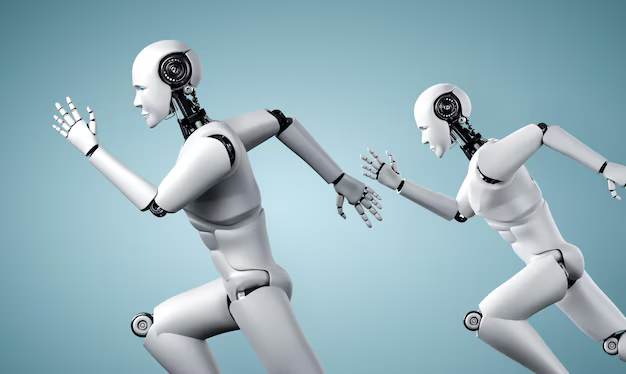
Take marketing as an example. You used to hire a market researcher to gather data, an analyst to interpret it, and a strategist to turn those insights into action. Today, a single AI tool can ingest vast datasets, identify behavioral patterns, and recommend tactics within minutes. For a business operating at scale, this kind of efficiency is undeniably tempting.
AI performs exceptionally well at tasks that are repetitive, data-driven, and pattern-based. In areas like forecasting, targeting, and customer segmentation, it outpaces traditional teams. But its strength lies in speed and scale, not depth or intuition. AI can tell you what happened and even predict what might happen next. What it cannot do—at least not yet—is explain why those outcomes matter in a human context.
The Value of Human Judgment

This is where human strategists remain critical. Experienced professionals bring cultural context, emotional intelligence, and the ability to connect dots that AI cannot see. They can challenge bias in data, align insights with broader business goals, and factor in the ethical implications of decisions. Human judgment is especially important when decisions impact brand reputation, long-term trust, or customer experience.
The Moral Dilemma: Efficiency vs. Employment
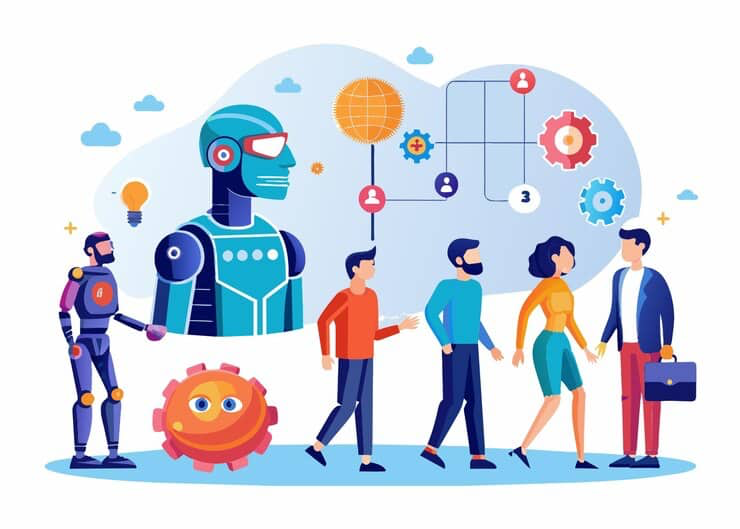
With all the advancements AI brings, executives must confront a moral dilemma: are we reducing jobs in the name of progress? Replacing a junior analyst with a machine may save time and money, but it also removes a growth opportunity for someone building their career. If every function becomes automated, where do future leaders come from? And what role should businesses play in creating—not just consuming—talent?
Ignoring this dilemma risks creating an innovation gap fueled by short-term efficiency and long-term talent erosion. The most responsible approach is not to replace, but to reimagine. Companies should consider how to re-skill existing employees, combine AI tools with human mentoring, and develop new hybrid roles that support both innovation and inclusion.
Budget Reality: The Financial Appeal of Automation

There’s no denying the financial argument for automation. Hiring a full-time employee comes with salary, benefits, onboarding costs, workspace, and management overhead. AI tools, once implemented, can often run continuously with minimal marginal cost. For example, an AI-powered research tool that costs $1,200 per year may replace the basic functions of a $70,000 entry-level role. At scale, the savings are significant.
This cost efficiency becomes even more attractive when paired with productivity gains. AI tools can process and analyze thousands of data points in seconds, producing work that might take a team days to complete. For budget-conscious leaders managing headcount constraints, automation often feels like the clear winner. But cost alone should not drive the decision. The bigger picture must include creativity, risk, and long-term business health.
Design for Augmentation, Not Elimination

This new hiring paradigm requires a different lens. Before creating a role, ask: Is this job best done by a person, a machine, or a combination of both? Could a strategist use AI to get 80 percent of the way there, then add value with insight and judgment? Can we hire differently—not fewer people, but people who can work differently? Roles like “AI translator,” “prompt engineer,” or “automation strategist” didn’t exist a few years ago, but they are becoming essential.
A Call to Strategic Leadership
Ultimately, this is not a hiring challenge. It is a leadership challenge. Executives must build organizations where talent is dynamic, where machines support people, and where people add meaning to machine-generated outputs. Those who succeed will not be the ones who cut the most headcount or adopt AI the fastest. It will be the ones who design systems that bring out the best in both.
The question is not whether AI will change the workforce. It already has. The better question for executives to ask is: how will we lead through it?
 THINK WITH ALEC
Leave a comment