
How Marketing Leaders Can Win the Case for Bigger Investment
You’ve built a sound marketing strategy. The creative is sharp, the funnel is clear, and your customer journey is well-mapped. But then comes the hard stop: budget approval.
Leadership loves the vision but not the spend. They want bigger results with smaller dollars. And while resourcefulness is a virtue, even the most creative campaigns can’t thrive without the right level of investment.
This is one of the toughest and most common challenges a marketing leader faces: how to prove the need for more budget when leadership isn’t convinced.
Let’s break this down into the problem and the path forward.
Problem: The “Do More With Less” Paradox
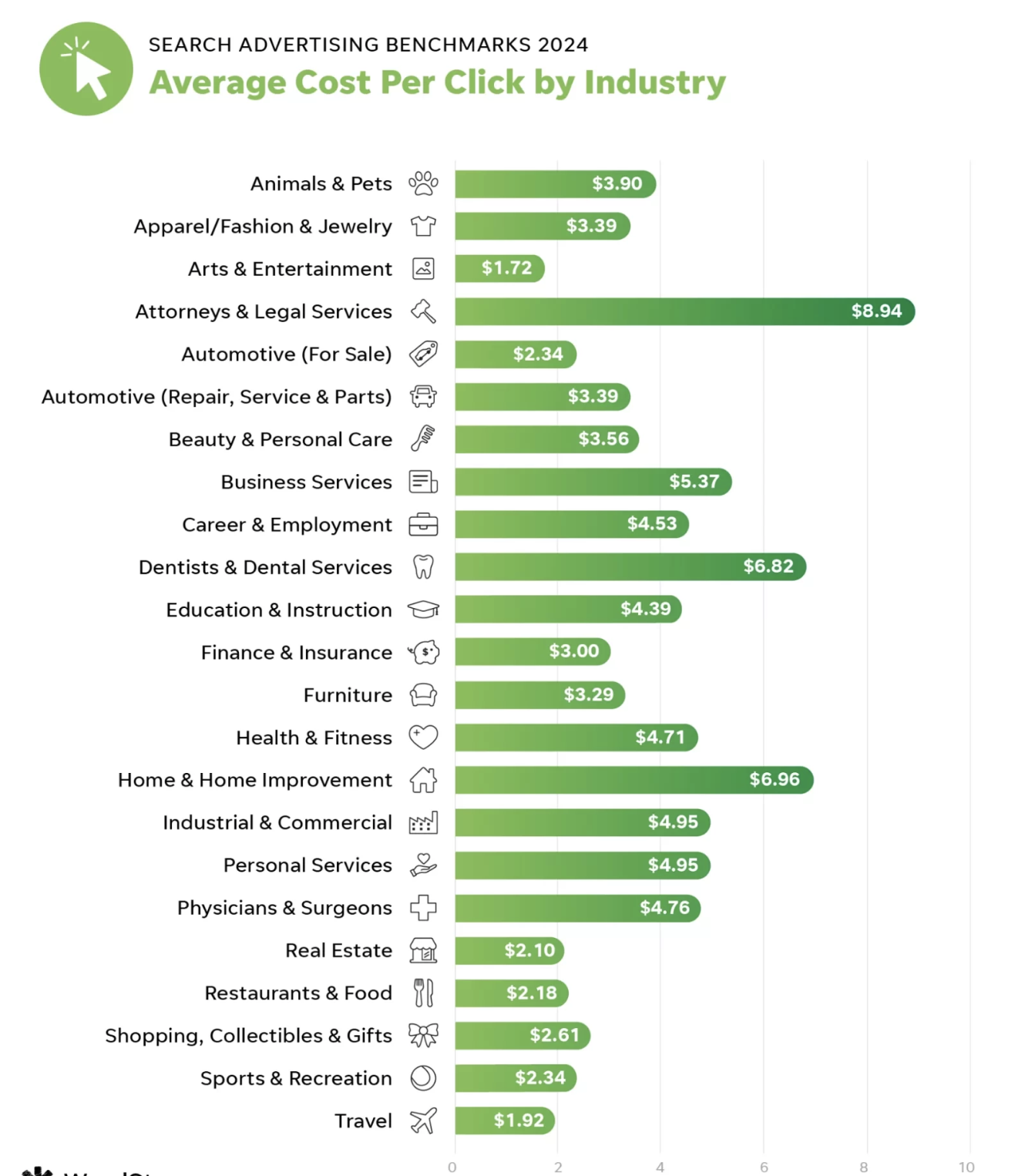
Marketing leaders often live in the paradox of being expected to deliver exponential growth on a linear or flat budget.
At first, it’s manageable. You trim inefficiencies, lean on organic channels, and negotiate better ad rates. But over time, the math stops adding up: brand awareness stalls, paid campaigns plateau, and your customer acquisition cost (CAC) creeps upward.
The result? Marketing performance gets misinterpreted as inefficiency rather than underinvestment.
You know the strategy is solid. You just don’t have the firepower to reach your audience often or broadly enough to make an impact. Yet when you ask for more funding, the conversation stalls around risk, cost, and ROI uncertainty.
So how do you flip that narrative?
Solution: Build a Business Case That Speaks the Language of the C-Suite
To earn the green light, you can’t just say “we need more money.” You need to translate marketing impact into business impact in a way that aligns with how your leadership team measures success.
Here’s how:
1. Reframe the Ask Around Outcomes, Not Channels
Executives don’t buy “more budget for paid social.” They buy outcomes like:
- Reducing CAC by 15% over six months
- Doubling brand recall in a target market segment
- Increasing returning customer rate by 20%
Tie every dollar requested to a measurable business result, not a marketing metric.
2. Quantify the Cost of Inaction
It’s not just about what happens if you spend more, it’s what happens if you don’t.
Show that a stagnant budget leads to:
- Declining share of voice while competitors scale spend
- Increased CAC as organic reach becomes less efficient
- Slower pipeline growth, reducing long-term profitability
Frame it as a risk mitigation argument, not just an opportunity one.
3. Use a Pilot-and-Prove Approach
If leadership hesitates, suggest a controlled test campaign.
For example:
“Let’s allocate $25K to a three-month pilot aimed at expanding awareness in X market. We’ll track brand lift, traffic quality, and conversion uplift against control regions.”
This shows fiscal responsibility while creating measurable proof points that can justify scaling later.
4. Build a Forecast Model with Scenario Planning
Don’t ask for one number, present three:
- Baseline: Current budget → current results
- Moderate growth: +20% spend → predicted X% increase in leads or revenue
- Aggressive growth: +50% spend → predicted Y% growth
This lets decision-makers see the trade-offs visually and choose the level of risk they’re comfortable with.
5. Report Wins in the Language That Matters Most
Once campaigns run, connect results to revenue, retention, and brand equity, not CTR or impressions.
Example:
“Our paid social test increased website visits by 28%, but more importantly, it led to a 12% rise in first-time purchasers and a 2-point lift in brand recall.”
Leaders invest in outcomes that move the bottom line, not vanity metrics.
The Mindset Shift: Marketing as an Investment, Not an Expense
Ultimately, the key is helping your organization evolve its perception of marketing from a cost center to a growth engine.
When you can clearly show that every marketing dollar generates a measurable, compounding return—whether through brand equity, pipeline velocity, or customer lifetime value—you shift the conversation from “Why are we spending more?” to “How soon can we scale this?”
Because the real risk isn’t in spending, it’s in staying invisible.
Final Takeaway
Strong strategy without sufficient investment is like a race car without fuel. As a marketing leader, your role is to not just drive the vehicle but also prove to everyone in the pit crew that the gas is worth the cost.
If you can make your business case with clarity, data, and confidence, you’ll not only win more budget, you’ll also earn the trust that fuels long-term growth.
 THINK WITH ALEC
Leave a comment