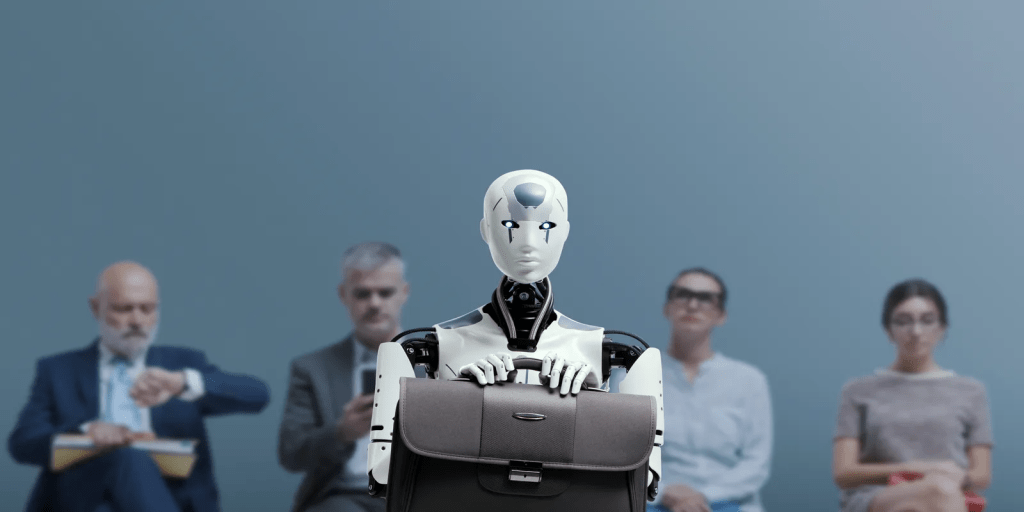
When OpenAI released ChatGPT to the public on November 30, 2022, most people saw it as an interesting tool, maybe even a novelty. No one expected it to become the fastest-growing technology adoption curve in modern history. Yet here we are, barely three years later, living in a world where working without AI tools feels almost unimaginable in marketing, business, and tech.
The pace has been unreal. By early 2023, ChatGPT, Whisper, and DALL·E pushed their way into daily workflows. By late 2023 and throughout 2024, GPT-4 and GPT-4o became the backbone of content creation, analytics, research, and customer experience. What took teams days now takes minutes. What required entire departments can sometimes be done by a single person with the right AI stack.
This isn’t hype. It is already happening.
The Impact We’re Seeing Today
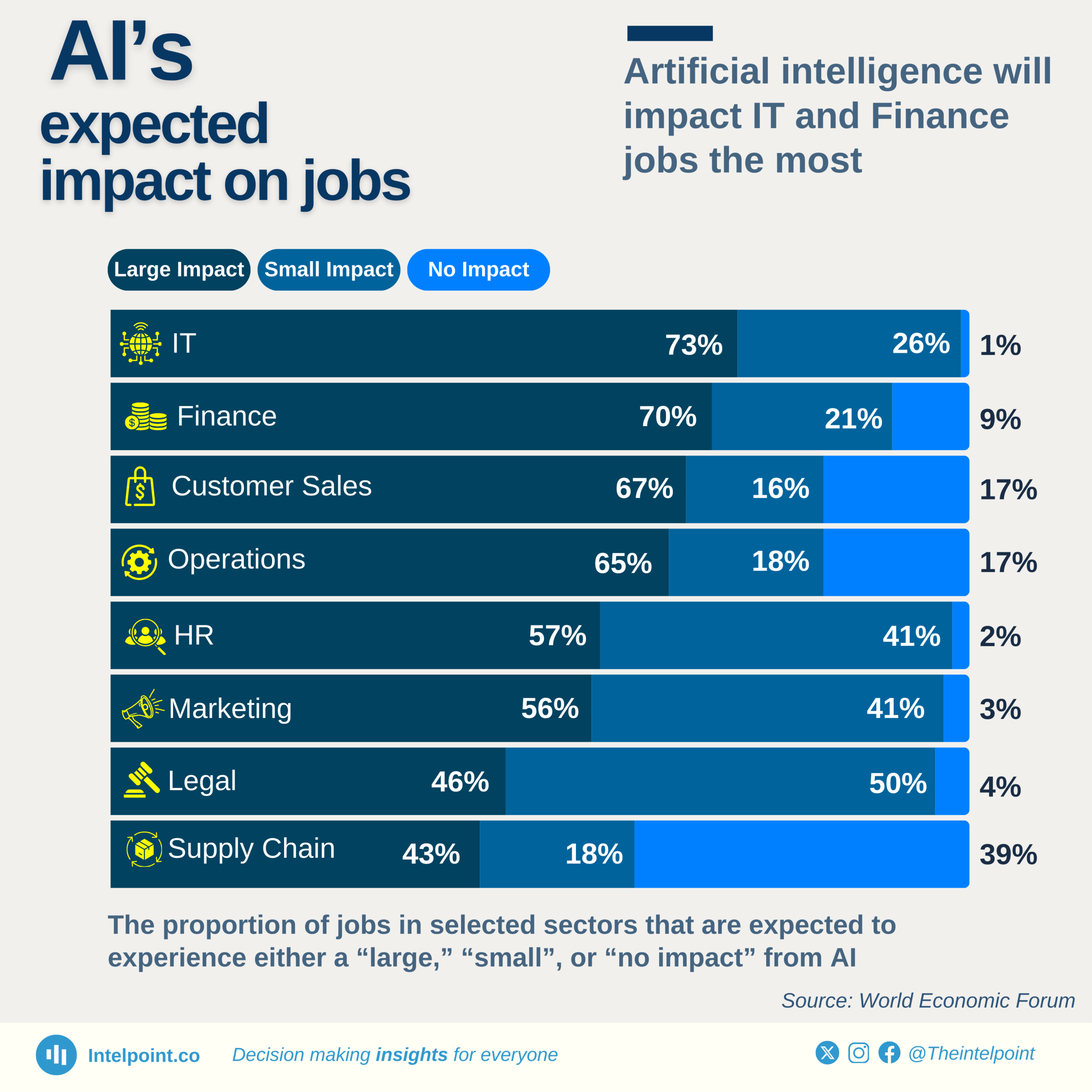
The tools are getting stronger, and the work is getting faster. AI now supports or replaces tasks in areas once considered safely “human” based.
• Copywriting cycles that took days can now be completed in under an hour
• Motion graphics, 3D modeling, and animation are increasingly automated
• SEO research, email flows, and paid media optimization rely heavily on models
• Small businesses launch with fewer staff because AI fills skill gaps
• Enterprise teams restructure entire departments due to efficiency gains
The shift is visible in job descriptions, team structures, hiring freezes, and layoffs. White-collar roles that were previously untouched by automation are facing real pressure.
Efficiency Is the Purpose, and That Comes With Consequences
AI’s goal is simple: make things faster and more efficient. The more powerful these tools become, the more they compress the work of multiple people into a single workflow.
This boosts productivity, but it also raises a hard question.
If one marketer can now produce the output of three, and one designer can generate what used to take a team, what happens to the extra roles? The answers are uncomfortable.
The traditional job market is not ready for this level of compression, and neither are the people working inside it.
The Next Ten Years: Terrifying and Exhilarating
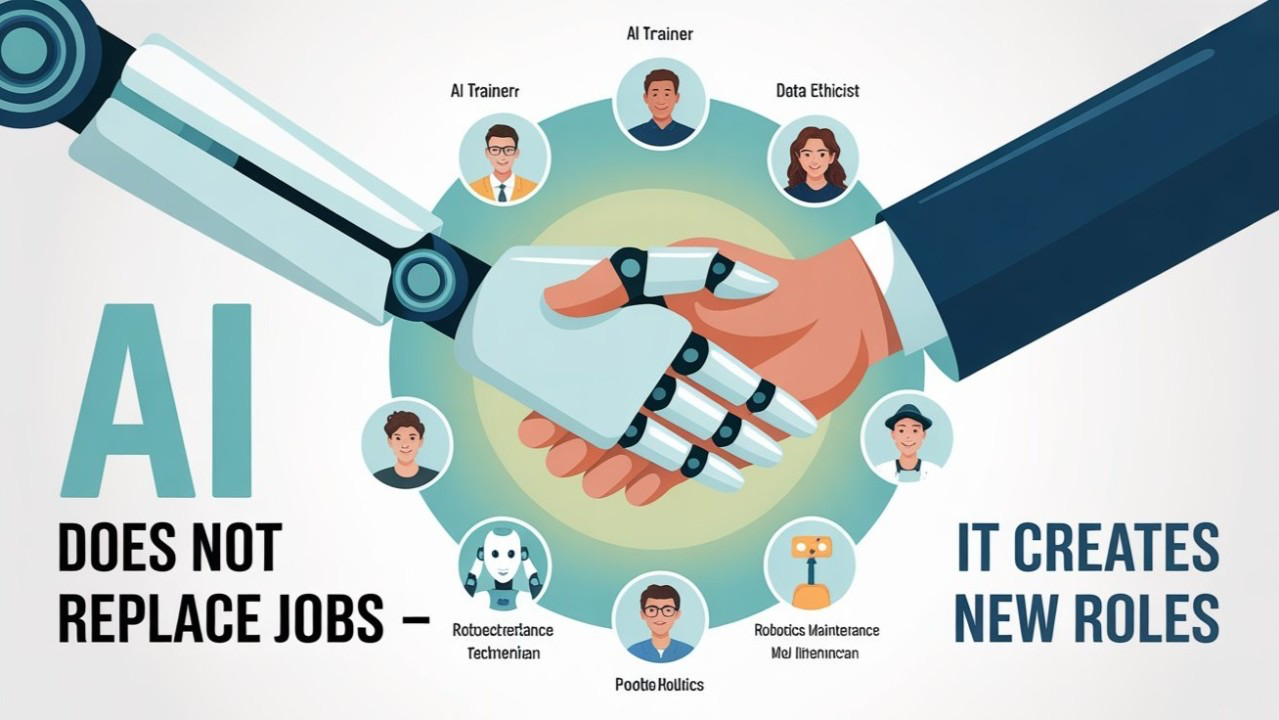
Looking ahead, we will see a decade defined by rapid transition. Many jobs will be minimized, merged, or replaced entirely. At the same time, new roles will appear in areas like:
• Prompt engineering
• AI integration and automation design
• Data governance and oversight
• Model training and auditing
But here is the truth most reports avoid. The number of new jobs created will not equal the number being automated out. AI’s core function is to do more with less. That has always been the promise.
Businesses will become faster and leaner. New AI-native companies will outperform traditional ones. Product cycles will shorten. Customer expectations will rise. Innovation will accelerate. And we will have to keep up.
A Job Market on the Edge, and Few Are Prepared
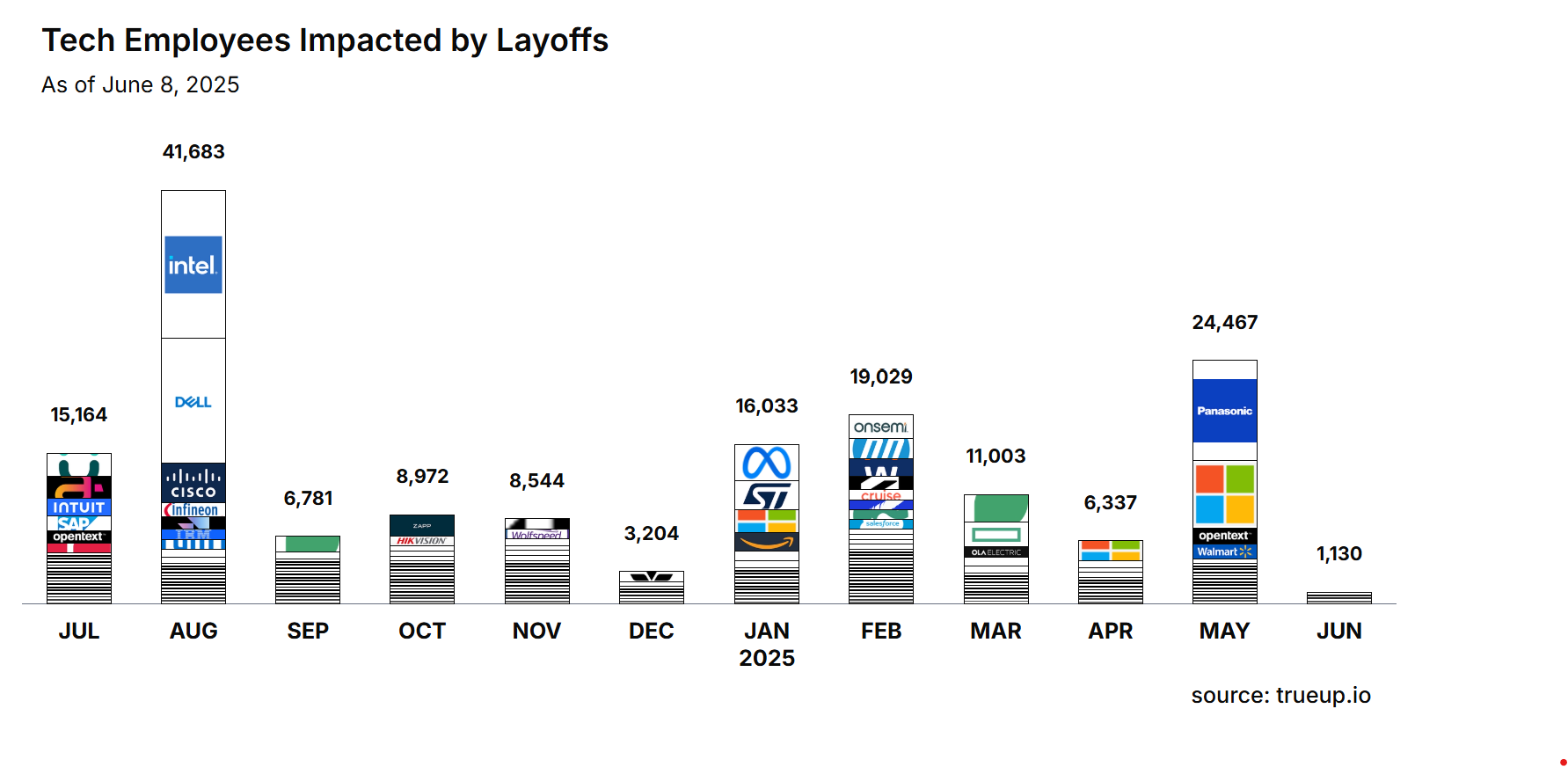
We may see significant employment shifts in the coming years.
• Higher unemployment as efficiency reduces headcount
• Pressure on wages as AI competes directly with skilled roles
• Entire industries reorganizing around automation
• A widening gap between workers who use AI and those who don’t
Governments are not ready. Policy is still stuck in a pre-AI mindset. No one has a real strategy for helping millions of people transition into a new kind of economy where intelligence and creativity can be partly automated.
Where Humans Still Win
Even with all of this change, human strengths still matter.
• Judgment
• Strategy
• Taste
• Emotional understanding
• Ethics
• Relationship building
These things are not easily automated, and they will become even more valuable as AI continues to scale.
AI does not replace good thinking. It amplifies it.
The Call to Action
If the last three years have shown anything, it is that AI will not slow down for anyone. Businesses, educators, and governments need to rethink how people learn, work, and build careers. The world changed faster than anyone expected, and the next decade will only move faster.
The AI shockwave is already here. The question now is how we adapt, how we prepare, and how we ensure that people can still build meaningful, stable lives in a world where technology keeps accelerating.
We are racing toward the future at full speed.
The choice is whether we face it intentionally or let it happen to us.
 THINK WITH ALEC
Leave a comment