Why Personalization and Guided Selling Are Defining the Winners
E-commerce isn’t new anymore. The fundamentals have been accessible for nearly a decade at scale. When ShopifyPlus became broadly available to enterprise merchants in June 2016, it marked a turning point. Brands of all sizes suddenly had access to powerful infrastructure without massive technical overhead. Since then, launching an online store has become easier, faster, and more standardized.
That accessibility, however, has created a new problem. When everyone has access to the same tools, platforms stop being the differentiator. Fast checkout, mobile optimization, subscriptions, and global shipping are no longer advantages. They are table stakes. In today’s landscape, e-commerce success is driven by something far more difficult to replicate: unique products paired with unique experiences.
The brands winning today are not simply selling online. They are guiding, educating, and personalizing every step of the customer journey.
E-Commerce Has Entered Its Maturity Phase

The early days of e-commerce rewarded first movers. Growth came from being online at all. That phase is long over. Today’s environment is defined by rising acquisition costs, increased competition, and more selective consumers. Shoppers have endless choice and very little patience.
Traffic alone no longer guarantees revenue. More SKUs do not automatically mean more conversions. In fact, abundance often works against brands. Decision fatigue is real, and overwhelmed shoppers either delay purchases or abandon them entirely.
This shift has forced brands to rethink what growth actually looks like.
Instead of asking how to get more visitors, winning teams are asking how to help the right visitors make better decisions, faster, with more confidence.
The Modern Shopper Wants Guidance, Not Just Options
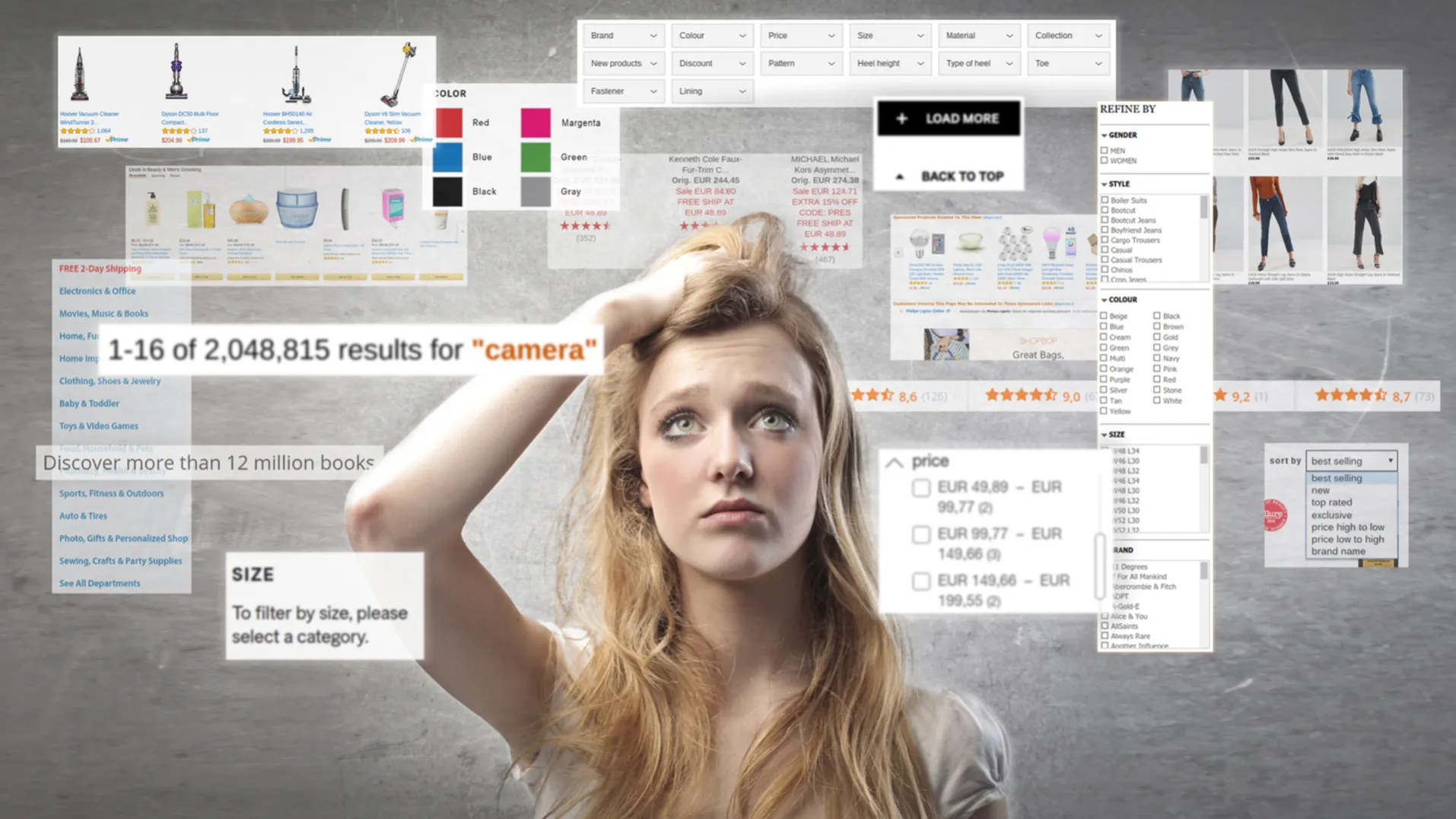
Consumers are informed, but they are also overloaded. Product pages are packed with specs, reviews, videos, and comparisons, yet shoppers still hesitate. The problem is not lack of information. It is lack of clarity.
In physical retail, sales associates exist for a reason. They listen, ask questions, and narrow choices. Online, that role has historically been missing. Guided selling fills that gap.
Guided selling helps customers navigate complexity by asking the right questions, surfacing relevant products, and framing decisions in a way that feels helpful rather than pushy. When done well, it feels less like being sold to and more like being supported.
Why USPs Matter More Than Ever

As platforms and features become standardized, differentiation shifts to messaging and experience. Clear, compelling USPs are no longer optional.
Winning brands are explicit about what makes them different, why it matters, and who it is for. They do not bury this information below the fold or assume shoppers will figure it out on their own. They lead with it.
Strong USPs answer three core questions quickly:
What is this product?
Why should I care?
How does it improve my life?
When USPs are clearly communicated, they reduce friction, build trust, and create emotional connection. They also serve as the foundation for effective guided selling and personalization.
The What, the Why, and the Benefits

One of the most common mistakes in e-commerce is focusing too heavily on features instead of outcomes. Shoppers do not buy features. They buy solutions to problems.
Explaining what a product is establishes clarity. Explaining why it exists creates relevance. Explaining the benefits makes the decision feel justified.
Guided selling works best when it connects these three elements together. Instead of overwhelming customers with every possible detail, it frames information around intent. Someone shopping for performance cares about different benefits than someone shopping for comfort or convenience. Treating them the same is where brands lose momentum.
Guided Selling as a Growth Engine
Guided selling is no longer a novelty. Product finders, quizzes, configurators, and smart recommendations have become powerful conversion tools when designed strategically.
They shorten decision cycles by narrowing options.
They increase AOV by recommending complementary products naturally.
They reduce returns by setting the right expectations upfront.
Most importantly, guided selling creates confidence. Confident customers convert more often and come back more frequently. This is especially critical in categories with technical products, wide assortments, or higher price points.
Personalization Has Moved Beyond First Names
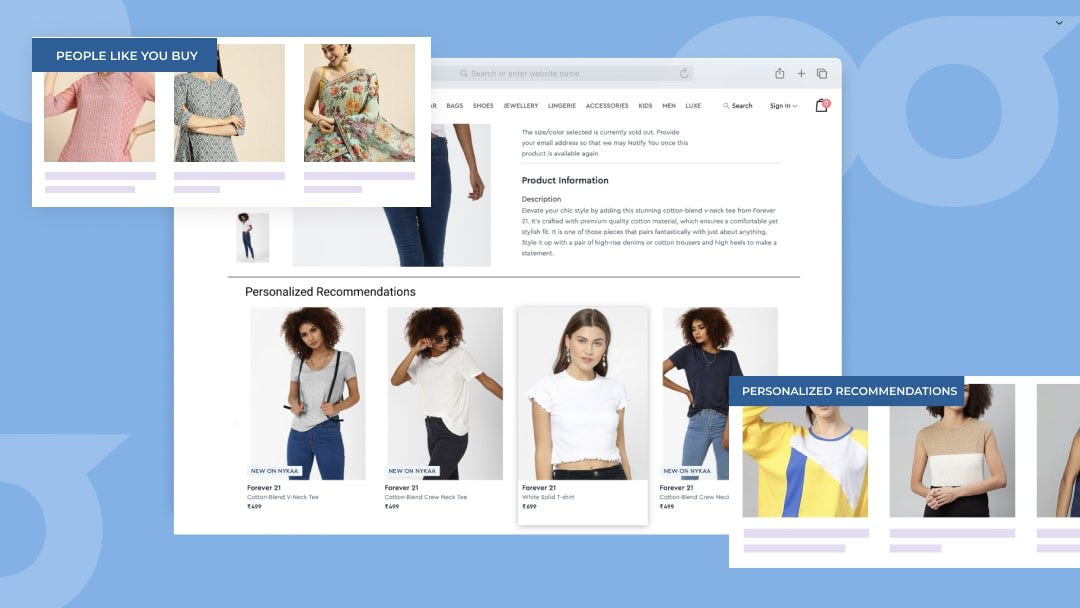
Personalization used to mean inserting a name into an email subject line. That era is over. Modern personalization is behavioral, contextual, and continuous.
Winning brands personalize based on what customers do, not just who they are. Browsing behavior, purchase history, intent signals, and timing all matter more than static demographics.
Personalization now spans the entire experience. Onsite merchandising adapts. Recommendations evolve. Messaging aligns with lifecycle stage. Even content and education adjust based on what a customer needs next.
The goal is not to personalize everything. The goal is to personalize what matters.
Post-Purchase Is Where Loyalty Is Won or Lost

Many brands still treat the purchase as the finish line. In reality, it is the starting point of the relationship.
Post-purchase experiences are a major differentiator in a mature e-commerce market. Confirmation emails, onboarding content, usage education, and replenishment reminders all play a role in shaping perception.
Guided selling does not stop at checkout. It continues through setup, usage, care, and expansion. Brands that help customers get value from what they bought create trust. Trust turns into repeat purchases, advocacy, and long-term loyalty.
Personalized post-purchase journeys also reduce support costs and returns while increasing lifetime value. This is one of the most underutilized growth levers in e-commerce today.
Why This Combination Is Winning

USPs create differentiation.
Clear explanations build confidence.
Guided selling simplifies decisions.
Personalization makes experiences relevant.
Post-purchase journeys turn transactions into relationships.
Individually, each element helps. Together, they compound.
This is why leading brands are outperforming competitors who rely solely on promotions, discounts, and paid traffic. Experience has become the new competitive advantage.
The Future of E-Commerce

The next phase of e-commerce will not be defined by new platforms. It will be defined by how intelligently brands design experiences.
As AI and automation accelerate, the brands that win will be those that combine technology with empathy, data with intent, and scale with relevance. Personalization and guided selling are not trends. They are responses to how people actually make decisions.
In a crowded market where products are easy to copy and platforms are accessible to all, experience is the only advantage that compounds over time.
 THINK WITH ALEC
Leave a comment