
What Science Says vs. What Actually Works

We all do it.
You land on someone’s LinkedIn profile and before you read a single word, your brain makes a snap judgment. Competent. Trustworthy. Approachable. Or… maybe not.
Recruiters do it. Hiring managers do it. Clients do it.
And yes, science now confirms it.
But here’s the twist: science also says we’re not very good at it.
What science actually says
A recent peer-reviewed study looked at how recruiters interpret LinkedIn profile photos and whether those interpretations are accurate. The researchers analyzed dozens of visual cues, including facial expressions, eye contact, clothing, posture, and background, then compared recruiter impressions to the person’s real personality traits.
The findings were humbling.
Recruiters do form personality judgments from profile photos.
But those judgments are weak predictors of who someone actually is.
In plain English:
- Your photo influences perception
- But it does not reliably reveal your true personality
- Most visual “signals” are over-interpreted
A smile doesn’t mean you’re more collaborative.
A serious face doesn’t mean you lack warmth.
A casual background doesn’t mean you’re less capable.
The science says our brains love shortcuts, even when they don’t work very well.
Then why does the photo still matter?
Because humans are human.
Even though photos don’t accurately signal personality, they still influence first impressions, attention, and whether someone continues scrolling or clicks away.
Think of your profile photo less as a personality test and more as a permission slip.
It doesn’t need to tell your story.
It just needs to earn the next five seconds.
The common sense approach (aka what actually works)
Here’s where science and reality meet in the middle.
1. Aim for “professional and approachable,” not “authentic chaos”

You don’t need to look like a stock photo.
But you also don’t need a vacation selfie, gym mirror pic, or car-seat LinkedIn special.
Common sense rule:
If you wouldn’t put it on a company website bio, don’t put it on LinkedIn.
2. Clear face, clear eyes, neutral background

The study showed recruiters look for cues, even if those cues aren’t accurate.
So don’t make them work harder than they need to:
- Face clearly visible
- Eye contact with the camera
- Simple background with no visual noise
This isn’t about personality. It’s about clarity.
3. Smile lightly, not aggressively
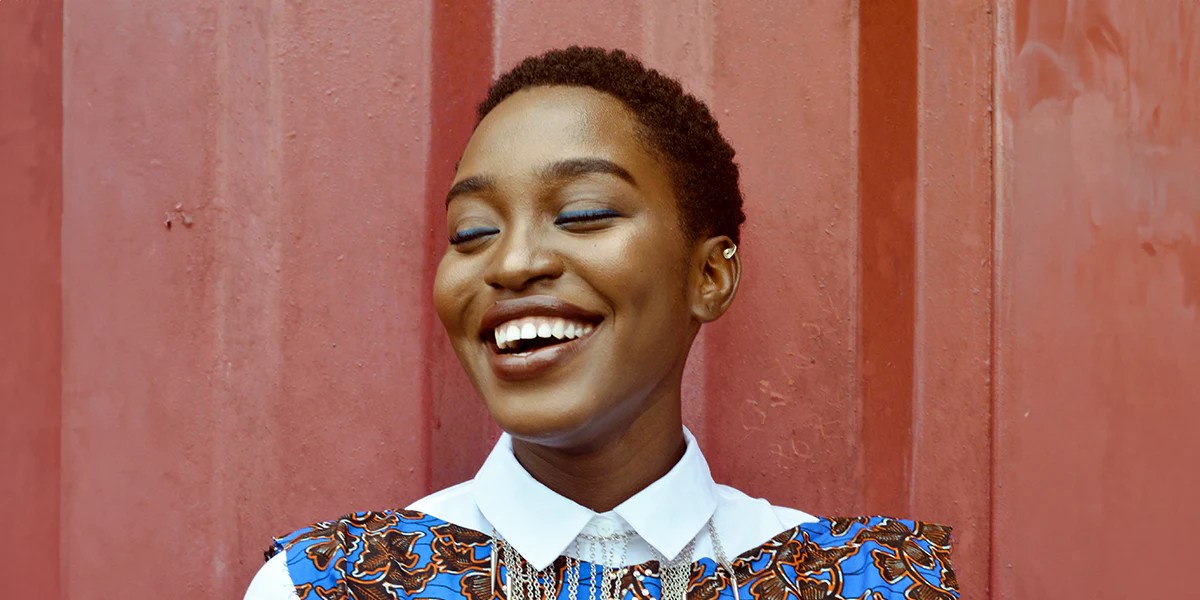
Science says smiling slightly increases perceived warmth, even if it doesn’t reflect actual traits.
You don’t need:
- Forced enthusiasm
- Over-the-top friendliness
- “I’m running for office” energy
Think: calm, confident, comfortable.
4. Dress one level above your daily role

If you’re a creative, don’t overdress into a finance cosplay.
If you’re an exec, don’t dress like it’s casual Friday forever.
Common sense guideline:
Dress for the room you want to be invited into, not the one you’re already in.
5. Let your profile do the real talking

This is the biggest takeaway from the research.
Since photos are poor indicators of personality, your:
- Headline
- Summary
- Experience
- Voice
- Point of view
…matter far more.
Your photo opens the door.
Your words close the deal.
The real takeaway

Science tells us something refreshing:
Your LinkedIn profile photo doesn’t need to be perfect.
It just needs to be credible, clear, and intentional.
People will still make assumptions.
Those assumptions won’t always be accurate.
And that’s okay.
Your job isn’t to reveal who you are in one image.
Your job is to make someone want to learn more.
If you want, next we can:
- Audit your current profile photo
- Define the exact vibe you want to signal
- Or map photo style to different roles (exec, consultant, operator, creative)
This stuff is subtle, but it matters. All kidding side, I think I have the best Photo!

 THINK WITH ALEC
Leave a comment